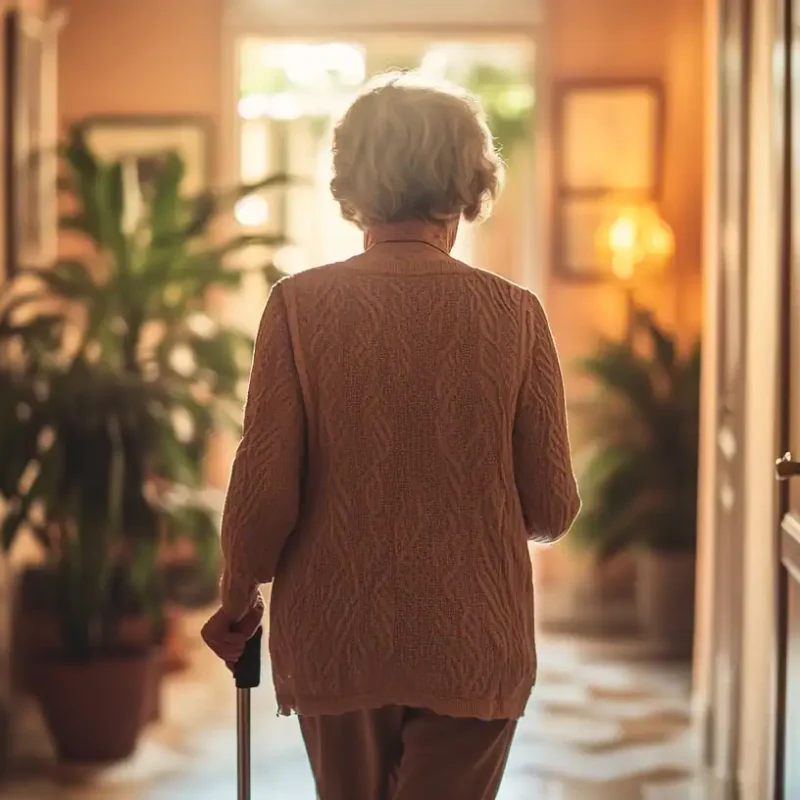
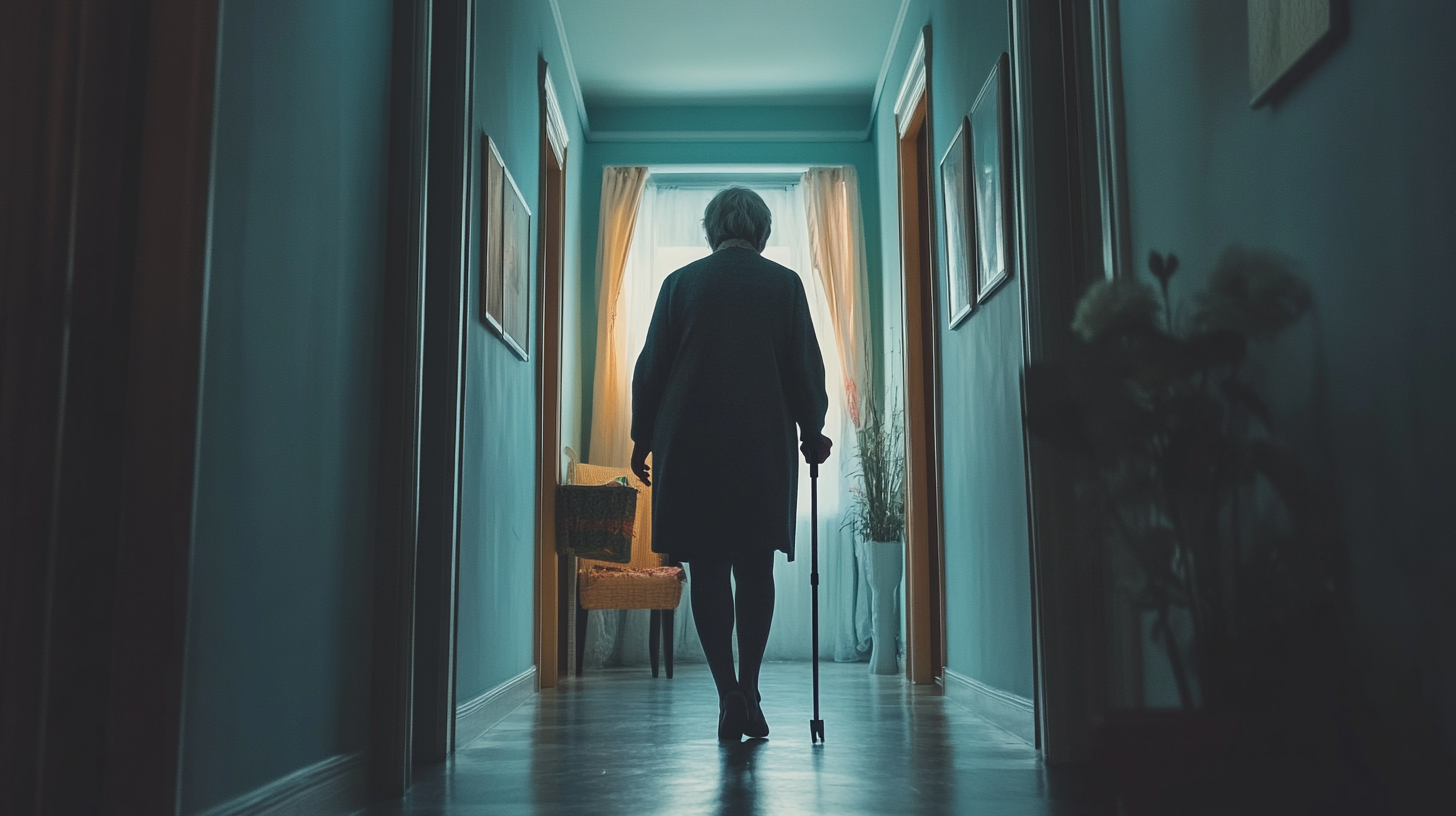
Every 11 seconds, an older adult is treated in an emergency room for a fall-related injury. Every 19 minutes, one dies from a fall. Fall prevention for seniors isn’t just a safety topic — it’s one of the most important conversations we can have. These are sobering numbers, but here is what matters most: the majority of falls are preventable.
If you are an older adult who worries about falling, a family member watching a parent slow down on the stairs, or a caregiver looking for practical ways to reduce risk — this guide is for you. We will walk through why falls happen, what you can do to prevent them, and what steps to take if a fall does occur.
The goal is not to live in fear. It is to live confidently, with the right information and the right habits in place.
Why Falls Are Such a Serious Concern
Falls are the leading cause of both fatal and non-fatal injuries among adults 65 and older. More than one in four older adults falls each year, and less than half report it to their doctor. The physical consequences can be severe — hip fractures, head injuries, and broken wrists are among the most common outcomes.
But the impact goes beyond the injury itself. Many older adults who fall develop a deep fear of falling again. That fear leads them to limit their activity, which weakens muscles and reduces balance — creating exactly the conditions that make another fall more likely. It is a cycle worth understanding and actively breaking.
The good news is that falls are not an inevitable part of aging. With the right approach, most of the risk factors can be addressed directly.
What Actually Causes Falls in Older Adults
Most falls are not random accidents. They happen at the intersection of several risk factors — some physical, some environmental, some medical. Understanding the causes is the first step to addressing them.
Changes in the Body
As we age, certain physical changes make falls more likely:
- Vision changes — reduced depth perception and contrast sensitivity make it harder to spot hazards
- Slower reflexes — the body takes longer to respond when balance is disrupted
- Reduced muscle strength and flexibility, especially in the legs and core
- Changes in gait — shorter steps, reduced stride length, and more cautious movement
- Inner ear changes that affect balance and spatial awareness
Medical Conditions
Several health conditions significantly raise fall risk:
- Diabetes — can cause nerve damage in the feet, reducing sensation and stability
- Heart disease and low blood pressure — can cause dizziness, especially when standing up quickly
- Parkinson’s disease — affects movement, balance, and coordination
- Arthritis — joint pain and stiffness change the way a person walks
- Mild cognitive impairment and dementia — affect judgment, attention, and spatial awareness
- Urinary incontinence — urgency to reach the bathroom quickly increases fall risk, especially at night
- Thyroid disorders and blood vessel problems — can affect energy levels and balance
Medications
This is one of the most underappreciated risk factors. Many commonly prescribed medications have side effects that directly increase fall risk — including dizziness, drowsiness, low blood pressure, and confusion. The risk rises significantly when someone is taking four or more medications.
Medications of particular concern include:
- Sleep aids and anti-anxiety medications (benzodiazepines)
- Blood pressure medications — especially those that can cause a sudden drop when standing
- Antidepressants
- Diuretics (“water pills”)
- Antihistamines and allergy medications
If you or a loved one is on multiple medications and experiencing dizziness or unsteadiness, speak with a doctor or pharmacist about a medication review. This single conversation could make a meaningful difference.
Footwear and Foot Pain
Painful feet change the way people walk — and not in good ways. Bunions, calluses, and poorly fitting shoes alter gait and reduce stability. High heels, backless slippers, and shoes with smooth soles are consistently linked to higher fall risk. Proper footwear is a simple, low-cost fix that is frequently overlooked.

Making Your Home Safer: A Room-by-Room Guide
Most falls happen at home — and most home fall hazards can be fixed quickly and inexpensively. Walk through each area of the home with fresh eyes, looking for surfaces, transitions, and obstacles that could catch someone off guard.
Throughout the Home
- Install nightlights in hallways, the bathroom, the bedroom, and near stairs — nighttime bathroom trips are a high-risk moment
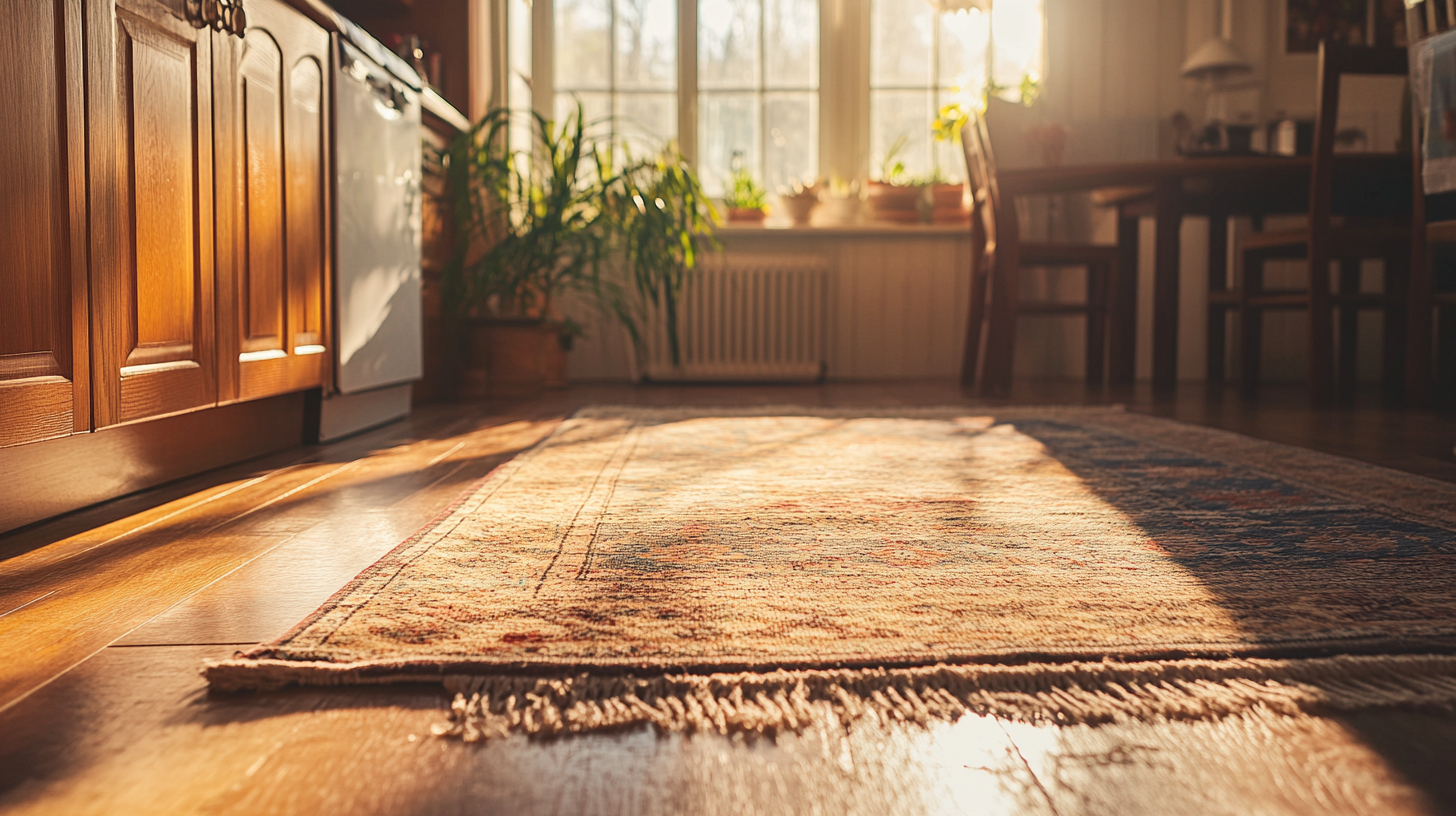
- Remove throw rugs, or secure them firmly with non-slip backing and tape the edges down
- Keep electrical cords and phone chargers out of walkways
- Rearrange furniture so pathways are wide and clear
- Store frequently used items at waist height — no climbing, no deep bending
- Wear supportive, non-slip shoes with rubber soles inside the house — avoid shuffling in socks or smooth-soled slippers
Bathroom
The bathroom is one of the highest-risk rooms in the home. Wet surfaces, limited space, and the physical demands of getting in and out of the tub or shower all contribute.
- Install grab bars next to the toilet and inside the shower or tub — not towel bars, which are not designed to bear weight
- Use a non-slip mat inside the shower and on the bathroom floor
- Consider a shower chair or bench if standing for extended periods is difficult
- A raised toilet seat can make sitting and standing much easier
Stairs
- Install sturdy handrails on both sides of every staircase
- Ensure stair edges are clearly visible — use contrasting tape if the carpet blends in
- Keep stairs free of clutter, shoes, and anything that could be tripped over
- Consider whether a first-floor bedroom could eliminate daily stair use altogether
Outdoors
- Repair cracked or uneven walkways and driveways
- Keep paths clear of leaves, ice, and snow
- Apply ice melt or sand during winter months
- Ensure outdoor lighting is adequate, especially near entryways
Exercise: The Most Powerful Fall Prevention Tool
If there is one change that research consistently shows reduces fall risk, it is regular physical activity — specifically exercises that build strength, balance, and flexibility. This is not about running marathons. It is about gentle, consistent movement that keeps the body responsive and stable.
The CDC recommends at least 150 minutes of moderate physical activity per week for older adults. Even 20 to 30 minutes most days can make a meaningful difference.
What Type of Exercise Helps Most
- Balance training: Tai chi is one of the most well-studied fall prevention exercises and has been shown in multiple studies to significantly reduce falls. Standing on one foot, heel-to-toe walking, and backward walking all help train the body to stay upright.
- Strength training: Exercises that build leg and core strength help with stability. Leg presses, squats with a chair for support, and calf raises are all effective starting points.
- Flexibility work: Gentle stretching and yoga improve range of motion and reduce the stiffness that can make movement awkward and fall-prone.
- Walking: Consistent walking improves cardiovascular fitness, mood, and overall physical function. Walking with a friend adds accountability and social connection.
If you are starting from scratch or recovering from an injury, ask your doctor for a referral to a physical therapist. Programs like SilverSneakers, YMCA fall prevention classes, and Medicare-covered physical therapy are all accessible options worth exploring.
Vision, Medications, and Medical Check-Ups
Get Your Vision Checked Regularly
Poor vision is a significant, underappreciated fall risk. Annual eye exams are important for everyone over 65 — not just to update a prescription, but to check for cataracts, glaucoma, and macular degeneration that affect depth perception and peripheral vision.
A practical note: bifocals and progressive lenses can make it harder to judge distances on stairs. If you wear these, ask your eye doctor whether single-vision distance glasses might be safer for certain activities.
Review Your Medications
Ask your doctor or pharmacist to review all medications — including over-the-counter drugs and supplements — at least once a year, and any time a new medication is added. The goal is to identify combinations or dosages that could be contributing to dizziness, drowsiness, or impaired balance.
Do not stop or change any medication on your own. But do advocate for this review if it has not happened recently. It is a routine but genuinely impactful conversation.
Address Foot Pain
Painful feet deserve medical attention. A podiatrist can assess and treat conditions that alter gait and stability. Custom orthotics, properly fitted footwear, and treatment for bunions or nerve pain can all have a direct positive impact on balance.
Bone Health: Reducing the Consequences of a Fall
Fall prevention is the goal — but preparing your bones in case a fall does happen is just as important. Weak, brittle bones are more likely to fracture on impact. Strong bones can mean the difference between a bruise and a broken hip.
Calcium and Vitamin D
Calcium builds and maintains bone density. Vitamin D helps the body absorb calcium and also plays a direct role in muscle function and balance. Many older adults are deficient in vitamin D, which has been linked to both weaker bones and increased fall risk.
Good sources of calcium include dairy products, leafy greens, tofu, and fortified foods. Talk to your doctor about whether vitamin D supplementation makes sense for you — particularly in winter months or if you spend limited time outdoors.
Osteoporosis
Osteoporosis causes bones to become thin and brittle over time, often without symptoms until a fracture occurs. It is far more common in women after menopause but also affects men. A bone density scan (DEXA scan) can identify osteoporosis before a fracture happens — ask your doctor if you are due for one.
Other Lifestyle Factors
- Quit smoking — tobacco use directly reduces bone density
- Limit alcohol — heavy drinking weakens bones and directly impairs balance and coordination
- Maintain a healthy weight — being underweight increases bone loss risk; being overweight adds stress to joints
Assistive Devices: Using Them Correctly and Without Shame
Canes and walkers are not signs of defeat. They are tools — and using them correctly can be the difference between staying active and independent, or becoming housebound after a preventable fall.
- A cane or walker that is the wrong height or in poor repair is more dangerous than no device at all — it can throw off gait and balance rather than supporting it
- Work with a physical or occupational therapist to choose the right device and learn to use it properly
- Check walker wheels regularly — they should roll smoothly and be replaced when worn
- Take extra care on wet, icy, or unfamiliar surfaces
For those reluctant to use a cane due to how it looks: the research comparing quality of life for people who use assistive devices versus those who fall and fracture a hip is not close. The device wins, every time.
What to Do If You Fall
Despite the best precautions, falls can still happen. Knowing how to respond calmly and correctly can prevent a bad situation from becoming a catastrophic one.
In the Moment
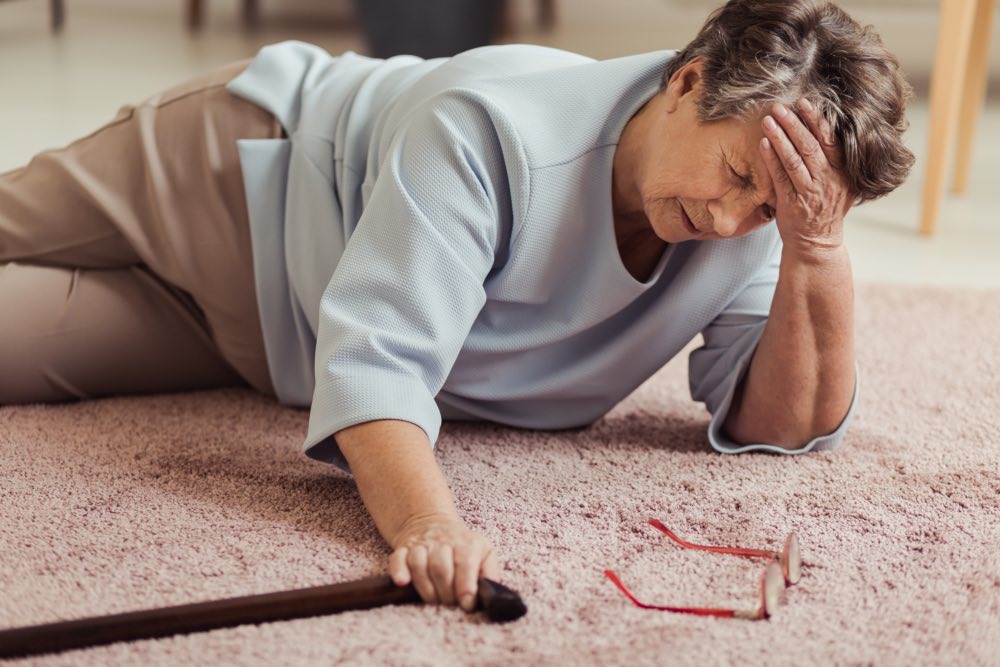
- Do not rush to get up. A quick, uncontrolled movement after a fall can turn a minor injury into a serious one. Stay still for a moment.
- Breathe. Take a few slow, deep breaths. Let the shock settle. Assess whether you feel pain anywhere.
- Check for injury. Gently move your arms and legs. If you feel sharp pain in your hip, wrist, or head, call for help rather than trying to stand.
- If you can get up safely: Roll to your side, push to a hands-and-knees position, crawl to sturdy furniture, and carefully push yourself to standing.
- If you cannot get up: Call for help immediately — dial 911, use a medical alert device, or call out for someone nearby.
After the Fall
- Always tell your doctor about any fall, even if you feel fine — falls can signal a developing medical issue, medication problem, or vision change
- Keep a fully charged mobile phone accessible at all times
- Consider a medical alert system — wearable devices that allow you to call for help with the press of a button
- Schedule daily check-in calls with a family member, friend, or neighbor
Overcoming the Fear of Falling
Fear of falling is entirely understandable — but acting on that fear by becoming less active creates a dangerous feedback loop. Reduced activity leads to weaker muscles, which leads to more unsteadiness, which leads to more fear.
The antidote to fear is competence: knowing that you have taken concrete steps to reduce your risk, that your home is as safe as it can be, that your medications have been reviewed, and that your body is being maintained through regular movement.
If fear of falling is significantly limiting your daily life, speak with your doctor. Cognitive behavioral therapy and targeted balance programs have both been shown to reduce fall-related anxiety and increase confidence.
The Bottom Line
Falls are serious — but they are not inevitable. The research on fall prevention is clear: a combination of regular exercise, home safety modifications, medical management, and proper footwear can dramatically reduce the likelihood of a fall.
Whether you are reading this for yourself or for someone you love, the steps in this guide are practical, evidence-based, and genuinely effective. Start with one or two changes this week. Build from there. The goal is not perfection — it is progress, and the confidence that comes with it.
For more on staying safe and independent at home, read my complete guide to aging in place.
At The Senior Living Report, our aim is to give older adults, families, and caregivers the honest, useful information they need to navigate aging with clarity. Falls are one of the most preventable threats to independence. You now have the map.
