
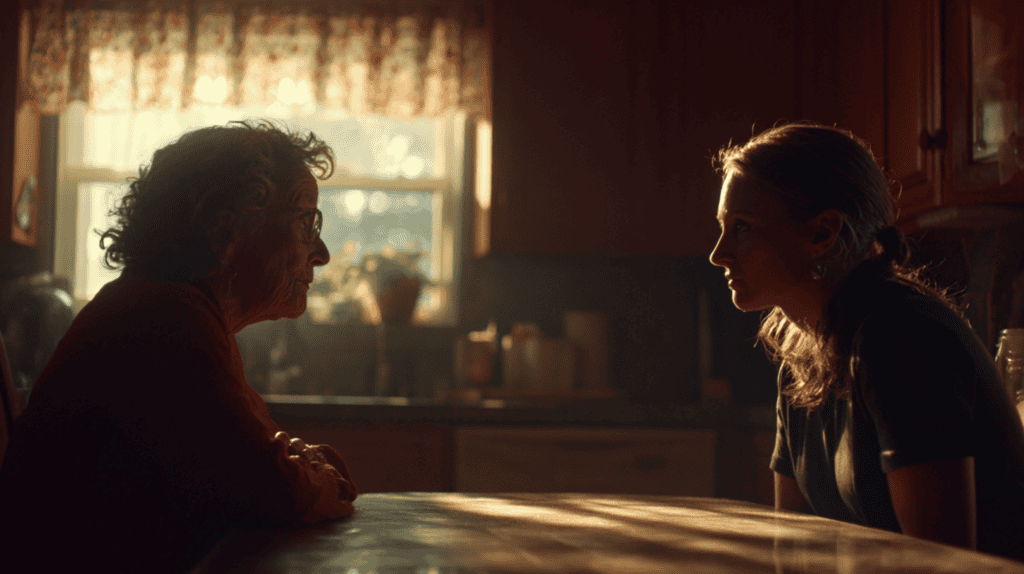
Learning how to stay independent as you age doesn’t mean doing everything alone. It doesn’t always happen in a clinic or a hospital room. Sometimes it happens at a kitchen table, or in a quiet hallway after a family meeting. And it almost always starts the same way — not with a question, but with a statement spoken just above a whisper:
“I don’t want to become a burden to my family.”
I’ve heard it from patients in their sixties who were barely slowing down. I’ve heard it from people in their eighties who were still sharp, still capable, still fully themselves. And I’ve heard it from people who were genuinely struggling but couldn’t bring themselves to ask for help. In every case, the fear wasn’t really about needing assistance. It was about losing something deeper — dignity, control, and the sense of being the person others rely on rather than the person others worry about.
As a registered nurse and an older adult myself, I understand that fear. And I want to address it directly, because I think most people have independence exactly backwards.
Staying independent doesn’t mean doing everything alone. It means being intentional, prepared, and proactive — so that when support does enter your life, it enhances who you are rather than slowly replacing who you’ve been.
That’s the foundation of what I think of as the self-sufficient senior strategy. And it’s the most practical answer I know to the question of how to stay independent as you age.
What It Really Means to Stay Independent as You Age
Our culture has a tendency to equate independence with self-reliance in the most absolute sense — the idea that asking for help is a sign of weakness, that accepting assistance means giving something up. For older adults, this framing can be genuinely harmful.
True independence is not refusing help until a crisis forces it. It’s not hiding struggles from family out of pride, and it’s not taking unnecessary risks just to prove capability. Those behaviors don’t protect independence — they put it at risk.
Real independence looks quite different.It means making informed decisions while you still have full clarity to make them. Creating systems that support your daily life before gaps appear is part of that. And it means staying one step ahead of predictable challenges rather than reacting to them after the fact.he goal isn’t to eliminate help from your life. It’s to control how and when help is introduced — and to remain the person making that call.
That distinction matters enormously. Because there’s a significant difference between choosing to accept support on your own terms and having support imposed on you during a crisis when no one has had the chance to discuss what you actually want.
Why the Fear of Being a Burden Is So Common — And So Understandable
When older adults tell me they’re afraid of becoming a burden, I never dismiss it. This fear doesn’t come from weakness. In almost every case, it comes from love — from caring deeply about the people around them and not wanting to disrupt their lives.
The specific worries vary, but the themes are consistent. There’s concern about interrupting an adult child’s career or family life. Many worry about losing respect or authority within the family. And beneath it all sits a quiet dread of becoming “the problem” at family gatherings rather than the person everyone looks forward to seeing.
And underneath all of it, there’s often a sense that needing help is somehow a failure — a sign that life is contracting rather than simply changing.
What I’ve seen over decades of nursing, though, is that avoiding these conversations early almost always creates the very burden people fear. When there’s no plan in place, emergencies force rushed decisions. Families scramble, emotions run high, and choices that should have been made carefully end up being made under pressure. The older adult, who wanted more than anything to protect their family from stress, often ends up at the center of exactly the kind of crisis they were trying to prevent.
Preparation is not pessimism. It is one of the most loving things you can do for yourself and for the people who care about you.
Step One: Identify Silent Risks Before They Become Crises
Most threats to independence don’t announce themselves with fanfare. They accumulate quietly, in the background of daily life, until something small tips into something serious. This is where how to stay independent as you age actually begins — not with big decisions, but with honest observation.
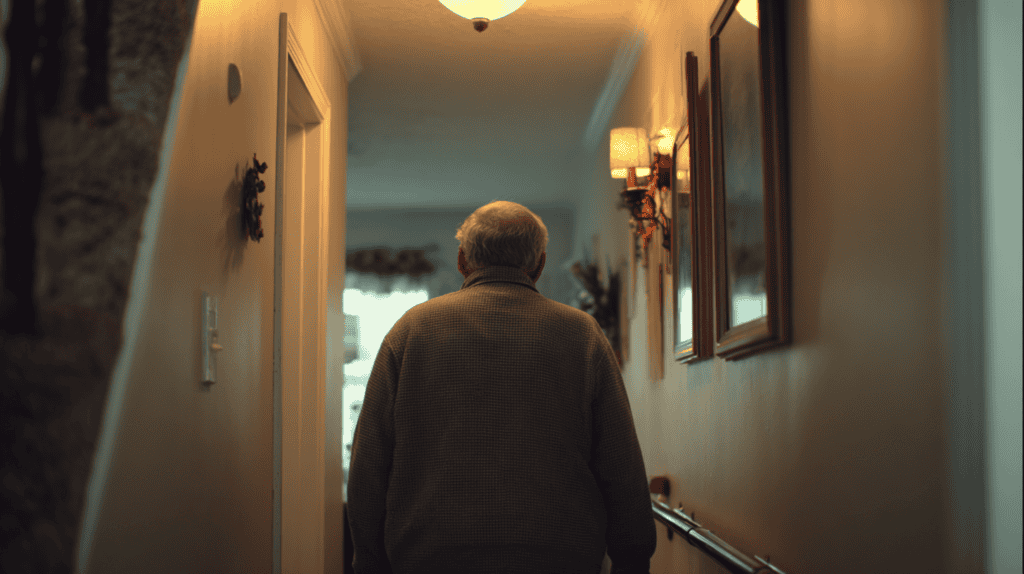
A hallway that’s always been a little dim. A rug that shifts just enough underfoot to be unpredictable. Medications that occasionally get missed or accidentally doubled. Small memory lapses that feel like nothing — until they start happening more often. None of these are emergencies on their own. But any one of them can become the first link in a chain that ends with a fall, a hospitalization, or a family member making decisions that should have been yours to make.
A proactive approach means looking at your daily life with honest, fresh eyes and asking a simple but powerful question: what could make this harder six months from now? Walk through your home with that question in mind. Review your medication routine. Think about which tasks have quietly gotten more difficult, even if you haven’t said so out loud. Identifying these soft spots early — while you have time and choice on your side — is the first and most important step in protecting your independence.
Step Two: Build Safety Into Everyday Living
There’s a version of “safety” that feels suffocating — railings everywhere, activities restricted, life shrunk down to what’s least likely to go wrong. That’s not what I’m describing. Real safety, built thoughtfully into daily life, actually expands confidence rather than limiting it.
Simple home adjustments can make an enormous difference. Better lighting in hallways and stairwells. Removing or securing rugs that shift underfoot. Adding a grab bar near the shower or tub — not because you need it right now, but because it’s there when conditions change. These aren’t signs of decline. They’re signs of intelligence.
Beyond the physical environment, clear daily routines provide structure that supports both safety and cognitive health. Strength and balance awareness — knowing where you are physically and working to maintain it — reduces fall risk significantly. And basic emergency readiness, knowing what you would do and who you would call, means that a difficult moment doesn’t have to become a disaster.
When safety is woven quietly into the fabric of daily life, independence doesn’t feel restricted. It feels secure.
Step Three: Build a Support Network That Respects Your Autonomy
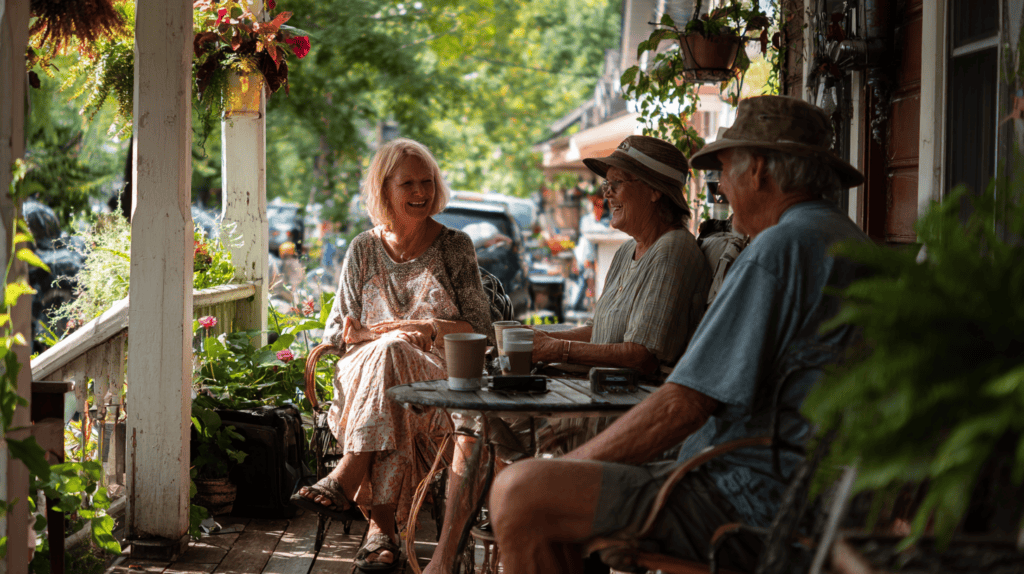
Support and control are not opposites. In fact, a strong support network is one of the most reliable ways to stay independent as you age. The healthiest support systems I’ve seen — in clinical settings and in life — are ones where the older adult remains firmly in the driver’s seat, and the people around them understand exactly what their role is.
This kind of network doesn’t happen by accident. It requires conversation, clarity, and a willingness to define things before they become urgent. Who checks in with you, and how often? Who has a key to your home in case of emergency? Think about who you trust to accompany you to a medical appointment. And if you’re temporarily unable to handle things yourself — who steps in?
These roles can be filled by family members, close friends, neighbors, or professionals — often some combination of all of them. What matters is that roles are clearly defined, boundaries are respected, and the network is activated before a crisis rather than assembled during one. When everyone understands what they’re responsible for, relationships stay strong. When nothing is defined and everyone is guessing, well-meaning people overstep, feelings get hurt, and the older adult often ends up with less say than they should have.
Support built on clarity is support that actually works.
Step Four: Prepare for “What If” Without Living in Fear
Nobody enjoys thinking about worst-case scenarios. But I’ve watched enough families navigate unexpected health events to know this with certainty: the ones who have had the hard conversations in advance move through difficulty with far more grace than the ones who haven’t.
Thoughtful preparation doesn’t mean dwelling on what could go wrong. It means answering a few key questions while you have the time and clarity to answer them well. Who knows your medical preferences, and are those preferences documented? Where is your important information — insurance cards, medication lists, legal documents — and does someone you trust know how to find it? What happens if you need temporary help recovering from an illness or procedure? Who makes decisions on your behalf if you’re temporarily unable to make them yourself?
When these answers already exist, stress evaporates — for you and for everyone who loves you. There’s nothing to figure out in a panic. No one has to guess about what you would have wanted. A plan is already in place, ready to support you.
Step Five: Stay Actively Involved in Your Own Life Plan
One of the most important lessons in how to stay independent as you age is staying actively involved in your own life, not because of physical limitations, but because of habit, or deference, or simply not realizing that staying engaged is something that requires intention.
Staying involved in your health decisions means asking questions at appointments, understanding what your medications are for, and advocating for yourself when something doesn’t feel right. Staying engaged in financial awareness means knowing what’s coming in and going out, reviewing accounts regularly, and making sure your financial wishes are documented. Maintaining daily routines and future planning keeps you oriented toward your own goals rather than simply reacting to whatever comes next.
The moment others are forced to “figure things out” for you is often the moment independence begins to slip — not because you’ve lost capability, but because you’ve stepped back from the conversation. Staying at the table, literally and figuratively, keeps you in control of your own story.
Why Families Struggle When There Is No Plan
Families don’t overstep because they want control. They overstep because they’re frightened, and fear makes people act. When there’s no plan, assumptions fill the vacuum. Emotions override logic. Guilt drives decisions that should be driven by love and clarity. Adult children who desperately want to do the right thing end up making choices without adequate information, and relationships that were warm and easy become strained under the weight of uncertainty.
A clear plan removes guesswork and, in doing so, protects relationships. It gives your family permission to help you in the ways you actually want to be helped — and frees them from the anxiety of wondering whether they’re doing enough, or too much, or exactly the wrong thing.

Independence Is Something You Maintain, Not Something You Have
It’s worth saying plainly: independence is not a fixed trait. You don’t simply “have” it or “lose” it. It’s something you maintain over time through small, deliberate choices. And the people who maintain it longest aren’t the ones who refused help the most stubbornly. They’re the ones who planned wisely, communicated clearly, built systems that worked, and stayed engaged in their own lives with intention and purpose.
When you do those things, you reduce stress — your own and everyone else’s. You protect your dignity. You stay in control longer. And you make it possible for the people who love you to help you in ways that actually feel like help.
That’s not becoming a burden. That’s leadership. And you are more than capable of it.
If learning how to stay independent as you age truly matters to you, and I believe it does, or you wouldn’t be reading this — then the time to act is now, before something goes wrong. The strongest, most self-sufficient older adults I’ve known weren’t the ones who needed nothing. They were the ones who planned everything. And that planning gave them something no amount of stubbornness ever could: a life that felt safe, respected, and fully their own.
You deserve exactly that.
