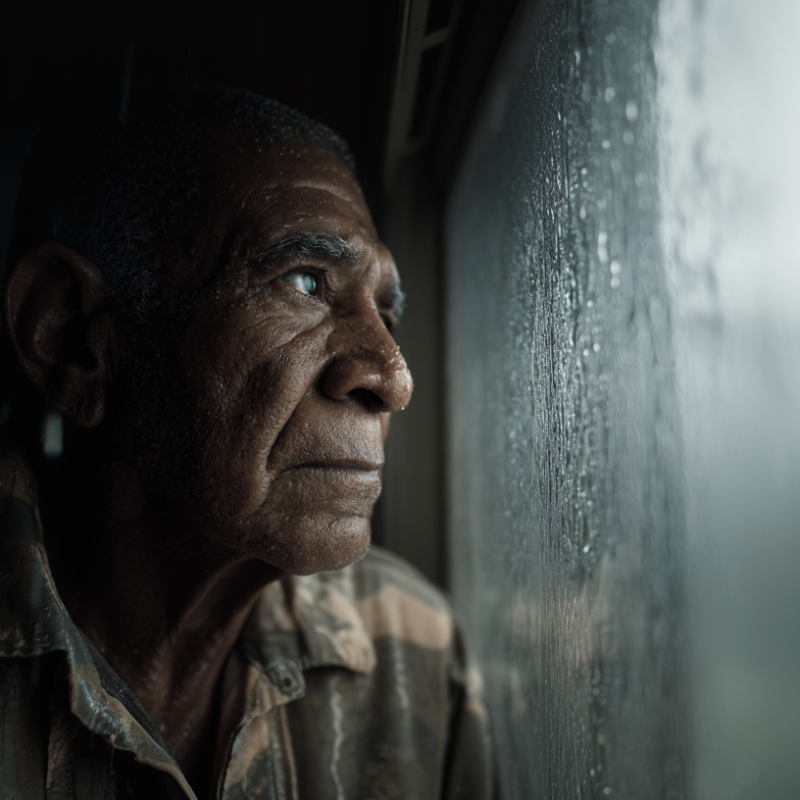
If you are an older adult, an adult child, or a caregiver, you already know that aging brings new worries. You might lie awake thinking about health, money, safety, or what will happen if you cannot stay in your home.
My goal in this article is simple: to help you feel more informed, less alone, and more prepared to take small, steady steps. I will walk through the most common concerns older adults share, and show how naming each fear can be the first step toward more peace of mind. Small changes today can ease a lot of fear about tomorrow.

Why Older Adults Have Unique Concerns As They Age
As people age, their worries shift. Daily life looks different at 70 than it did at 40. There are more medical visits, more pills to track, and often less income coming in each month. Friends and partners may have died. Adult children may live far away.
Surveys in 2025 show that many older adults feel squeezed from several sides at once. Health problems, money stress, and social isolation often stack on top of each other. A recent national study of senior fears found that older adults rank insufficient retirement savings, high medical bills, and identity theft among their top worries, along with health decline and loss of independence Top 10 Fears of Older Adults in 2025.
None of this is a sign of weakness or failure. These concerns are a normal response to real changes that come with age. In my experience, when someone finally says out loud, “I am scared I will be a burden,” or “I am afraid I will run out of money,” we can start to work on a plan. Silence keeps fear large. Naming it starts to shrink it.

How Aging Changes Daily Life, Responsibilities, And Priorities
Aging affects much more than wrinkles or gray hair. It touches the body, the brain, and social life.
Tasks that used to be quick, like dressing, cooking, or showering, can take longer and drain energy. Joints may ache. Balance may feel less steady. Hearing and vision might not be as sharp as before. According to the World Health Organization, common conditions in older age include hearing loss, cataracts, arthritis, back and neck pain, and chronic lung disease Ageing and health.
These physical changes can push people to stop driving at night, cut back on work hours, or retire fully. That shift can change income, routine, and identity. The focus of each day often moves toward medical care, safety, and relationships.
Younger people may not see this pressure. From the outside, it might look like “slowing down.” From the inside, it can feel like walking on a narrow bridge, always worried about losing footing.

The Emotional Weight Of Losing Independence
Under many surface worries lies a deeper fear: losing independence.
I hear this in quiet comments such as:
- “What if I cannot bathe on my own?”
- “What happens if I should not drive, but no one is around to help?”
- “I do not want my kids to have to take care of me.”
These are not just practical questions. They touch dignity, privacy, and identity. Needing help with bathing, dressing, cooking, or driving can feel like losing control over your own life.
This fear connects to almost every other concern in this article. Health problems can lead to more help with daily tasks. Money stress affects what type of help someone can afford. Housing choices decide how easy it is to get support while still feeling like the “boss” of your own life.
When we talk about health, money, and long-term care later in this article, I keep this core fear in mind: the wish to stay in charge of one’s own life as long as possible.
Health And Independence: The Top Concerns For Older Adults
For most older adults, health and independence are the biggest concerns. Surveys in 2025 show that worries about physical and mental health, chronic disease, and loss of independence rank near the top for seniors in many countries. These fears are not only about pain or illness, but also about what those problems might do to daily life.
Health problems can lead to hospital stays, long rehab, or moves into assisted living or nursing homes. A fall, a broken hip, or a stroke can change everything in a single day.

Fear Of Chronic Illness, Pain, And Declining Strength
Chronic conditions such as heart disease, stroke, diabetes, arthritis, and cancer often weigh heavily on older adults. Many of these conditions are common in later life, and they often come together rather than alone. Arthritis, for example, can cause pain that makes walking harder, which then weakens muscles and raises fall risk.
Pain and weakness do not just hurt physically. They can limit social life, hobbies, and even simple pleasures like gardening or cooking. People often worry that each new diagnosis is one more step toward losing independence.
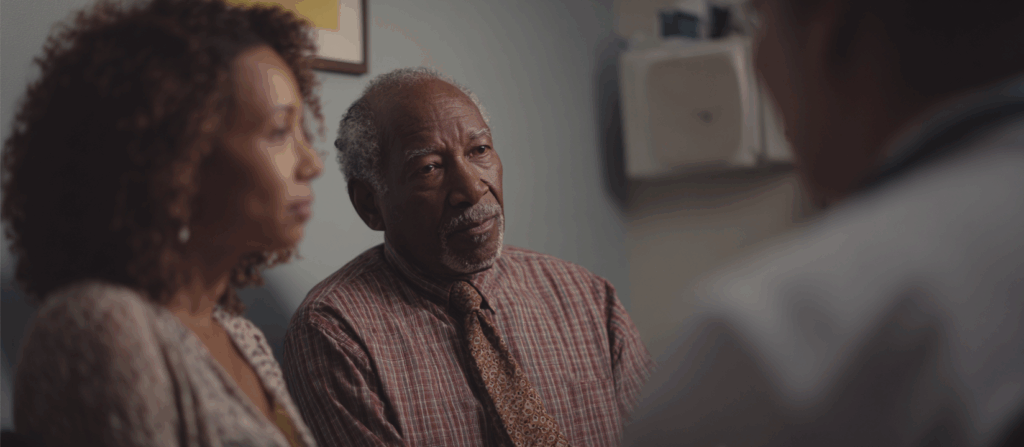
Many older adults also worry that doctors will not really listen to them. Quick appointments, medical jargon, and complex treatment plans can leave people confused and scared. A simple way to regain some control is to:
- Keep a written list of medicines and doses.
- Bring a short list of questions to each visit.
- Take a trusted person along when possible.
These small habits can help you feel more heard and less rushed during medical visits.

Worries About Memory Loss, Dementia, And Cognitive Decline
Memory is another major concern. Many people fear that every forgotten word or name is a sign of dementia. Older adults often share worries like:
- Missing bill payments or appointments.
- Getting lost while driving to a familiar place.
- At FRA: you can claim or suspend. No earnings test applies.
- Developing Alzheimer’s disease and not recognizing family.
There is a lot of shame and fear around memory problems. Some people hide their struggles so others will not think they are “losing it.” That silence can delay helpful checks and support.
It is important to remember that not every memory slip means dementia. Stress, poor sleep, depression, and some medicines can also affect memory. Early checks can sort out what is going on and make treatment easier.
Simple tools can help day to day, such as a large wall calendar, pill boxes, reminder alarms, and a small circle of trusted contacts who know how to check in. These supports do not remove fear, but they can make everyday life feel more manageable.
Concern About Falls, Injury, And Losing Mobility
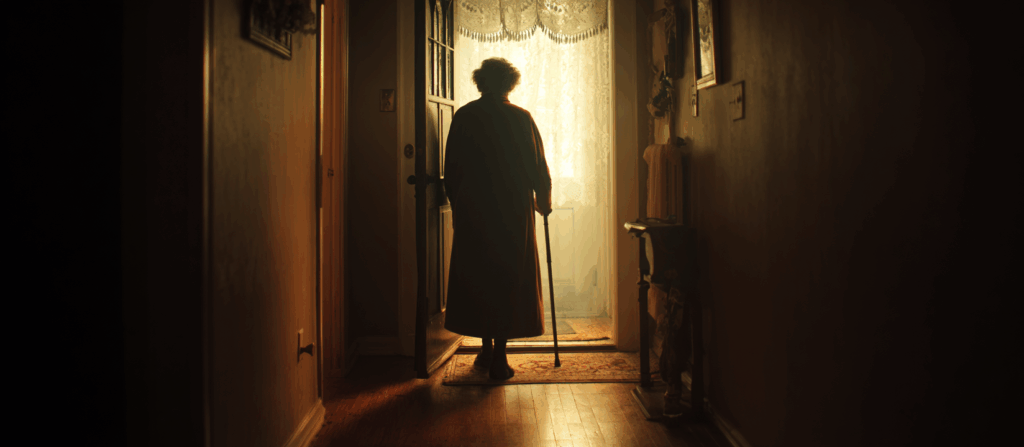
Fear of falling is one of the most common worries I hear. Many older adults know someone whose life changed after a single fall and broken bone.
A serious fall can lead to:
- Hospital stays and surgeries.
- Broken hips or wrists.
- Long rehab, or even a permanent move to a care facility.
Because of this, some people start avoiding walking, stairs, or outings that feel risky. Ironically, staying too still can weaken muscles and make falls more likely.
Simple changes at home can lower risk: grab bars in the bathroom, brighter lights in hallways, fewer loose rugs, and sturdy handrails on stairs. Gentle strength and balance exercises, such as chair stands or simple leg lifts, can also help.
Fear of falling ties directly to independence. If walking feels unsafe, driving, shopping, and even showering may start to feel out of reach.
Stress Over Daily Tasks, Driving, And Needing Help
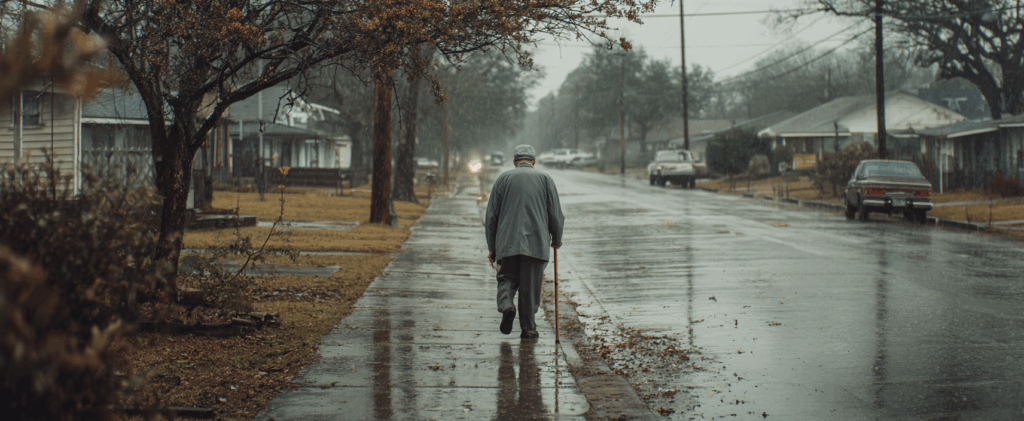
Another common concern is the slow, quiet shift when daily tasks turn from easy to hard. Driving at night might feel scary. Lifting heavy pots, reaching high shelves, or carrying laundry might start to feel unsafe.
Many older adults try to hide these changes. They fear that admitting trouble with driving, shopping, or cooking will mean losing their car keys or having others push them into a move. This can lead to late planning and sudden crises.
Planning early works better. Talking with family or trusted friends about backup transportation, grocery delivery, or help with chores can lower stress. Community programs and local volunteer driver services can also fill some gaps, especially for medical appointments.
Money, Housing, And Long-Term Care: Financial Concerns Of Older Adults
Money worries sit right beside health worries for many older adults. In 2025, about half of seniors report economic insecurity, meaning they struggle to pay basic bills. Rising prices only add to the fear of outliving savings and not being able to cover care.
Many people live on fixed income from Social Security, small pensions, or limited retirement savings. At the same time, healthcare costs, rent, property taxes, and food keep climbing. Studies on older adults’ financial fears show that insufficient retirement savings and high medical bills top the list for many households Top 10 Fears of Older Adults in 2025.

Fear Of Outliving Savings And Retiring Without Enough Money
Living on a fixed income can feel like walking on a tightrope. A single large car repair, dental bill, or roof leak can wipe out months of savings. Many people fear they will hit age 85 or 90 with very little money left, and then have to depend on their children or the government.
Even those who saved for years may feel unsure. Markets change, medical costs climb, and lifespans are longer than in past generations. Research on aging trends shows that early onset chronic disease and a growing caregiving gap are major pressures for today’s older population 7 Trends Reshaping the Health and Lifespans of America’s Rapidly Aging Population.
A few basic steps can help:
- Make a simple monthly budget that covers housing, food, utilities, medicine, and debt.
- Review automatic charges and subscriptions.
- Talk with a trusted financial advisor, nonprofit credit counselor, or senior service agency.
The goal is not perfection. It is to know where you stand and what options you have, instead of guessing.

Worries About Paying Medical Bills And Prescription Costs
Medical care and prescription drugs are a major source of stress. Even with Medicare or other insurance, older adults face co-pays, deductibles, and surprise bills after hospital stays. For some, medical debt builds up month by month.
When money is tight, people may stretch medicine, skip doses, or avoid filling prescriptions at all. Others skip needed doctor visits or tests because they fear the bill more than the disease. Surveys show that many seniors with money troubles carry medical debt that they cannot pay off, which affects both mental and physical health.
There are programs that can help, such as:
- Medicare counseling through nonprofit groups or state offices.
- Low income suLow income subsidies for premiums and drug costs.
- Drug discount programs and community health clinics.
These options vary by place, so checking with local senior centers or aging agencies can be a good starting point.

Staying In The Home Or Moving: Housing And Aging In Place
Many older adults want to “age in place,” meaning stay in their own homes as long as possible. Home is familiar, and moving feels painful and risky. At the same time, home upkeep, property taxes, stairs, and unsafe bathrooms can increase stress and risk.
Recent surveys show that many U.S. seniors now see aging in place as both their main goal and, at times, a threat to their health, due to barriers like home safety problems and lack of in-home help Seniors see aging in place as greatest health risk in 2025.
Housing concerns often include:
- Fear of being forced into a nursing home.
- Worry about affording repairs, ramps, or home care.
- Anxiety about stairs, narrow bathrooms, or neighborhoods that no longer feel safe.
Options sit on a spectrum. Some people stay at home with family help or paid aides. Others move in with adult children. Some choose senior apartments, assisted living, or, when needed, nursing homes with 24-hour care. Money, location, and early planning all affect which doors stay open.

Anxiety About Long-Term Care And Becoming A Burden
Long-term care means help with basic daily tasks over a long period, like bathing, dressing, eating, or moving from bed to chair. Many people fear needing this level of help for years. They worry about losing privacy, draining family finances, or being treated poorly.
Older adults often say, “I do not want to be a burden.” This fear can push people to avoid talking about care plans at all, which leaves families unprepared when a crisis hits.
Planning does not have to be formal or legal at first. It can start with:
- Honest talks with family about wishes and limits.
- Learning about local home care, adult day programs, and senior housing.
- Reviewing insurance, savings, wills, and other documents.
Advocacy groups stress the need to protect access to health and long-term care and to defend programs like Social Security and Medicare, which many older adults rely on Four Areas Where Older Adults Need our Advocacy in 2025. Small planning steps now can reduce both personal and family stress later.
Loneliness, Loss, And Mental Health: Emotional Concerns In Later Life
Emotional concerns in later life are as real as broken bones or unpaid bills. Mental health is health. Yet many older adults hesitate to talk about sadness, grief, or fear.
Loneliness, loss, and anxiety can make physical problems worse. Studies show that social isolation raises the risk of depression, poor sleep, and even physical illness for older adults.
Living Alone, Social Isolation, And Feeling Invisible
As years go by, social circles often shrink. Friends die, neighbors move, and adult children are busy with work and their own families. Hearing loss, vision changes, and trouble walking can make social outings harder.
Living alone can feel peaceful at times, but many people report long stretches of silence and no one to share daily life with. Some also feel “invisible,” as if younger people look past them in stores, clinics, or public spaces.
Lack of comfort with smartphones or computers can deepen the gap. While some older adults use video calls and social media, others feel shut out of these tools, which adds to isolation.
Rebuilding social ties does not require a huge circle. One or two steady connections, like a neighbor, a faith group, or a weekly club, can make a major difference.
Grief Over Loss Of Spouse, Friends, And Former Life
Grief is a constant companion in later life. Losing a husband, wife, partner, or close friend can shake every part of daily routine. Meals, holidays, and even small talk in the evening feel different.
There is also grief over past roles. Retirement can mean loss of identity as a worker, leader, or caregiver. Physical changes may limit hobbies that once brought joy, like sports, travel, or gardening.
Grief does not follow a calendar. Waves of sadness can return years after a loss, often around holidays, birthdays, or quiet evenings. Some older adults feel pressure to be “strong” and hide their pain, which can deepen sadness and loneliness.
Support can come from grief groups, faith communities, or counseling. Talking with others who understand loss can help people feel less alone in their pain.
Depression, Anxiety, And Fear Of The Future
Depression is common in older adults, but it is not a normal or “inevitable” part of aging. Signs can be easy to miss, especially if people focus only on physical symptoms. Simple warning signs include:
- Changes in sleep, either too much or too little.
- Loss of interest in hobbies or social time.
- Low energy or slowing down.
- Crying often or feeling empty.
- Hopeless thoughts like “My life is over” or “I do not matter.”
Anxiety can sit on top of this, especially around medical tests, money problems, or bad news on TV. Fear of future illness, poverty, or being alone can create a constant background hum of worry.
Help is available. Doctors, therapists, and support groups can offer treatment and coping skills. Medication, counseling, or both can help many people feel better. Asking for help is a sign of strength and self-respect, not failure.

Safety, Respect, And Control: Protecting Older Adults’ Rights
Older adults often worry not only about health and money, but also about safety, respect, and control over their own lives. These concerns cover crime, scams, abuse, and legal decisions.
Advocacy groups point out that older adults face growing risks from financial exploitation, gaps in long-term care, and policies that weaken safety nets Four Areas Where Older Adults Need our Advocacy in 2025. Speaking up, learning basic protections, and building a support team can help.
Fear Of Scams, Fraud, And Financial Exploitation
Phone, mail, and online scams target older adults every day. Common tricks include:
- Pretending to be a grandchild in trouble.
- Claiming to be a government agent asking for payment.
- Posing as tech support to get access to a computer.
Scammers count on fear and shame. Many victims stay silent because they feel embarrassed. That silence helps scammers keep working.
Simple safety rules can reduce risk:
- Do not give Social Security numbers, bank details, or passwords over the phone.
- Hang up on callers who pressure you to act fast.
- Call back using a number you already know, not one given by a stranger.
- Check with a trusted person before sending money or gift cards.
These habits protect dignity as much as dollars.
Worries About Abuse, Neglect, And Mistreatment
Some older adults worry about being yelled at, ignored, or roughly handled by caregivers, family members, or facility staff. Others fear that someone might take their money or property without consent.
Elder abuse can be physical, emotional, sexual, or financial. Neglect, such as not providing enough food, medicine, or clean living conditions, is also a form of abuse.
No one deserves abuse at any age. Every state has adult protective services or elder abuse hotlines that can investigate reports and offer help. Friends, neighbors, and professionals can also play a key role by watching for signs and speaking up.
Losing Control Over Legal And Medical Decisions
Many older adults fear that others will start making choices for them without real input. This might involve where they live, which medical treatments they receive, or how their money is spent.
Certain legal documents can help people keep control, even if health changes:
- A will, to state what should happen to property after death.
- A financial power of attorney, to name someone to handle money if needed.
- A medical power of attorney or health care proxy, to name who can speak to doctors.
- An advance directive, to describe wishes for treatment at the end of life.
These documents work best when paired with honest talks. Writing down wishes and sharing them with trusted people gives clearer guidance if a crisis occurs.
Conclusion: Facing Common Fears With Small, Steady Steps
Older adults across the country share many of the same concerns. Health and independence, money and housing, loneliness and mental health, safety and respect all weigh on the mind in later life. These worries are real, but they are also shared by millions of others. You do not have to face them alone.
You can start with small, concrete steps: schedule a checkup, make a simple budget, remove one fall risk at home, or call a friend you have not spoken with in a while. If something in this article touched a deep fear, consider talking about it with family, a doctor, a social worker, or another trusted advisor.
Honest conversations and basic planning will not erase every problem, but they can greatly increase peace of mind. Aging brings change, but it can also bring clarity about what matters most. With steady support, clear information, and respect for your wishes, later life does not have to be ruled by fear.
