As a nurse with over 20 years of experience, I’ve put together this guide to the best health monitoring devices for seniors because the right tool can genuinely save a life. According to the CDC, 80% of older adults live with at least one chronic condition. That means most of us need to be paying closer attention to our health between doctor visits — not just once a year at a checkup.
The good news is that the best health monitoring devices for seniors today are more affordable, easier to use, and more effective than ever. In this guide I’ll walk you through the categories that matter most and the specific devices I’d recommend to a family member.
For a broader look at staying safe at home, see my complete aging in place guide.
Personal Safety Devices: Your First Line of Defense
When something goes wrong — a fall, a medical event, a moment of confusion — the most important thing is being able to get help fast. This category of device does exactly that, and it’s where I always start when advising families.
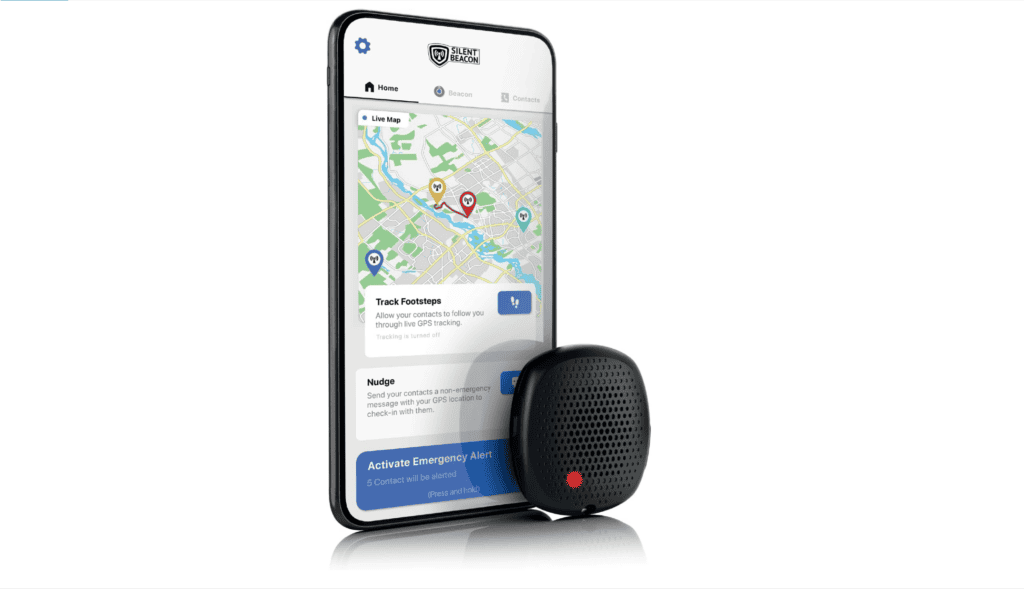
The Silent Beacon 2.0 is the device I’m most excited about right now. Unlike traditional medical alert pendants, it works anywhere there’s cell service, connects directly to 911 and your personal contacts, and includes two-way communication so you can speak with help while it’s on the way. There’s no monthly monitoring fee required — a major advantage over most competitors.
For those who want dedicated medical alert coverage without the smartwatch format, the Medical Guardian MGMove is one of the best options available. It works as both a smartwatch and a medical alert device, includes fall detection, GPS tracking, and 24/7 monitoring — all in a comfortable wearable designed specifically for older adults.
Wearable Health Monitors: Keeping Tabs Every Day
Wearable devices have become remarkably capable. They track heart rate, sleep quality, activity levels, and in some cases can detect falls automatically. For seniors with heart conditions, diabetes, or a history of falls, these devices can provide real peace of mind — for both the wearer and their family.
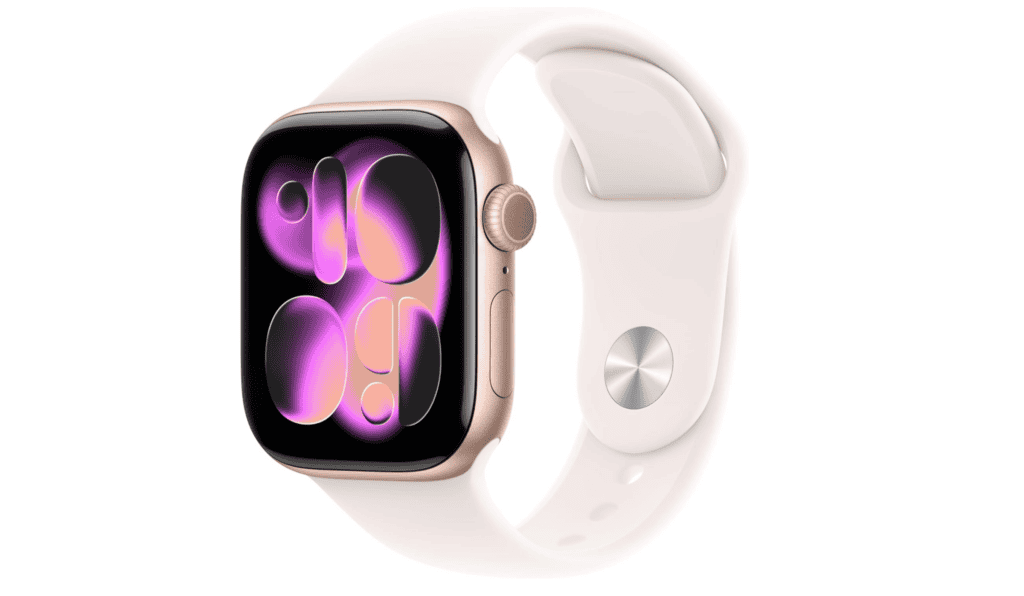
The Apple Watch Series 11 is my top recommendation for seniors comfortable with an iPhone. Fall detection, crash detection, heart rate monitoring, and an FDA-cleared ECG app make it the most capable health monitoring wearable on the market. When it detects a hard fall with no movement, it automatically contacts emergency services.i
For those who want something simpler and more affordable, a dedicated home safety monitor paired with a medical alert device is often the better combination. See my full breakdown of fall prevention strategies for seniors for more on reducing risk at home.
Blood Pressure Monitoring: The Number Every Senior Should Know
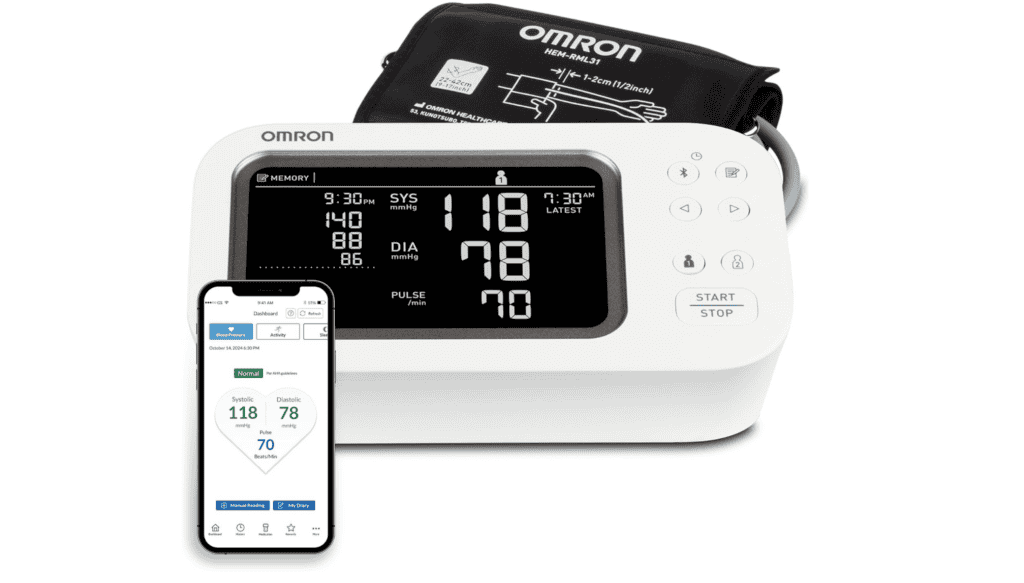
For seniors managing blood pressure — one of the most common conditions in older adults — the Omron Platinum is the gold standard home monitor. Clinically validated, easy to use, and Bluetooth-enabled so readings sync automatically to your smartphone. Your doctor will love that you’re tracking at home.
How to Choose the Right Device
After two decades of working with older adults, here’s what I tell every family:
Match the device to the actual risk. Someone with a history of falls needs fall detection. Someone with heart disease needs heart rate monitoring. Don’t buy features you won’t use.
Consider monthly fees carefully. Many medical alert systems charge $30–$50 per month on top of the device cost. Over two years that adds up to $700–$1,200. The Silent Beacon 2.0’s no-monthly-fee model is a genuine differentiator.
Ease of use matters most. The best device is the one that actually gets worn. If it’s complicated to charge, uncomfortable to wear, or confusing to operate, it will end up in a drawer.
Talk to your doctor first. If you’re managing a specific condition like atrial fibrillation or diabetes, your doctor may have specific recommendations for monitoring devices that integrate with your care.
A Note From a Nurse
Technology doesn’t replace good medical care, strong relationships, or a safe home environment. But the right device, worn consistently, can absolutely be the thing that gets help to someone in time. I’ve seen it happen.
Start with one device. Learn it. Wear it. Then add more if it makes sense for your situation. You don’t need to buy everything on this list — you need to buy the right thing for where you are right now.
If you have questions about which device might be right for you or a family member, feel free to reach out. That’s what I’m here for.
